

Africa's mobile money industry has helped bring millions of people into the formal financial system. But if the sector is to keep growing, the focus may need to shift from access alone to how people are actually using those services in their daily lives.
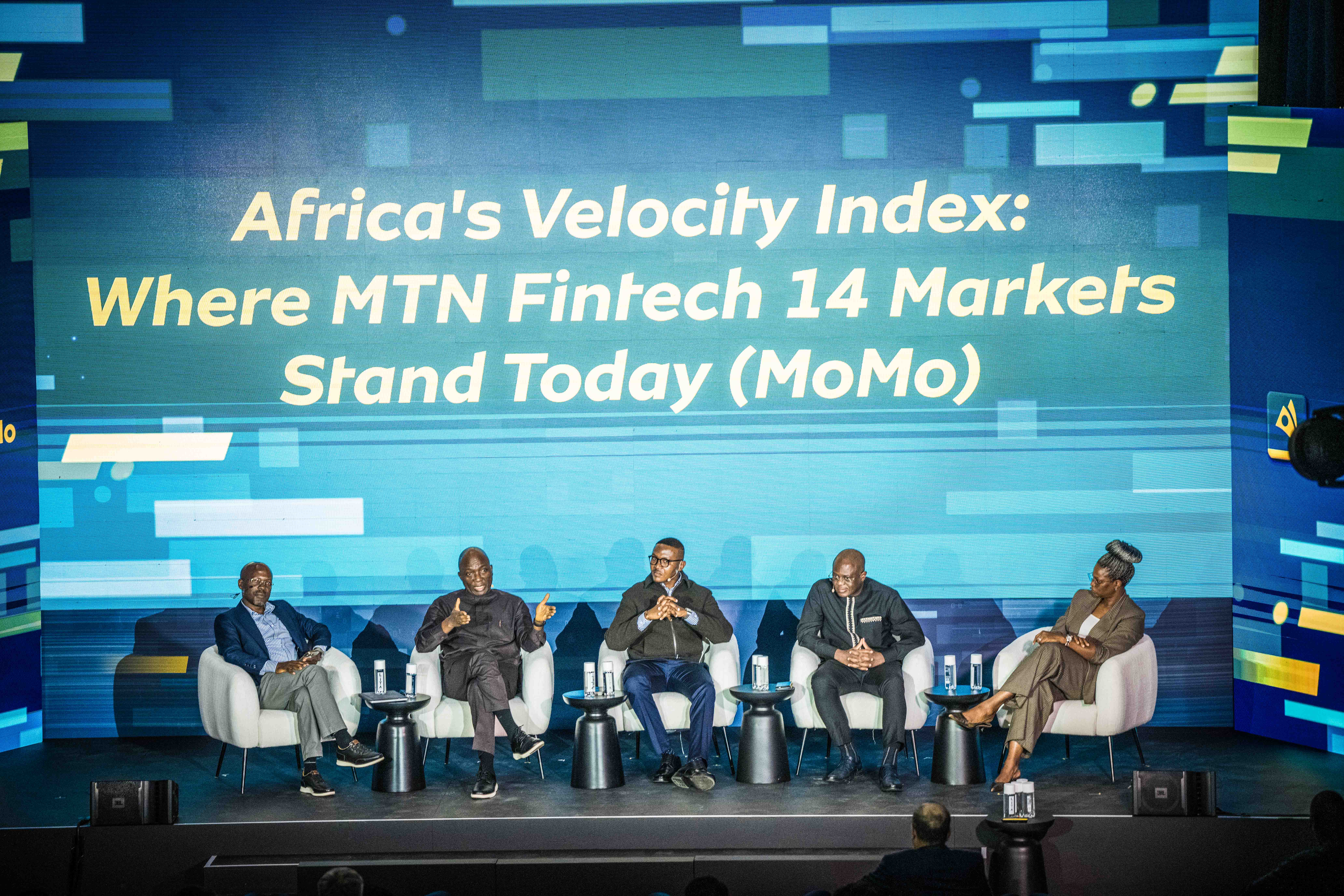
Day two of the MTN Group Fintech Annual Summit in Johannesburg focused on a question that is becoming increasingly important for the industry: what comes after access? Speakers from across Africa explored what that could look like in practice, from encouraging stronger savings and investment habits to expanding the range of services that help people manage and improve their financial wellbeing.
Ghana offers a useful example. While it is often seen as one of Africa's more advanced mobile money markets, Shaibu Haruna, CEO of Mobile Money Limited Ghana, challenged the idea that widespread adoption automatically signals a mature market.
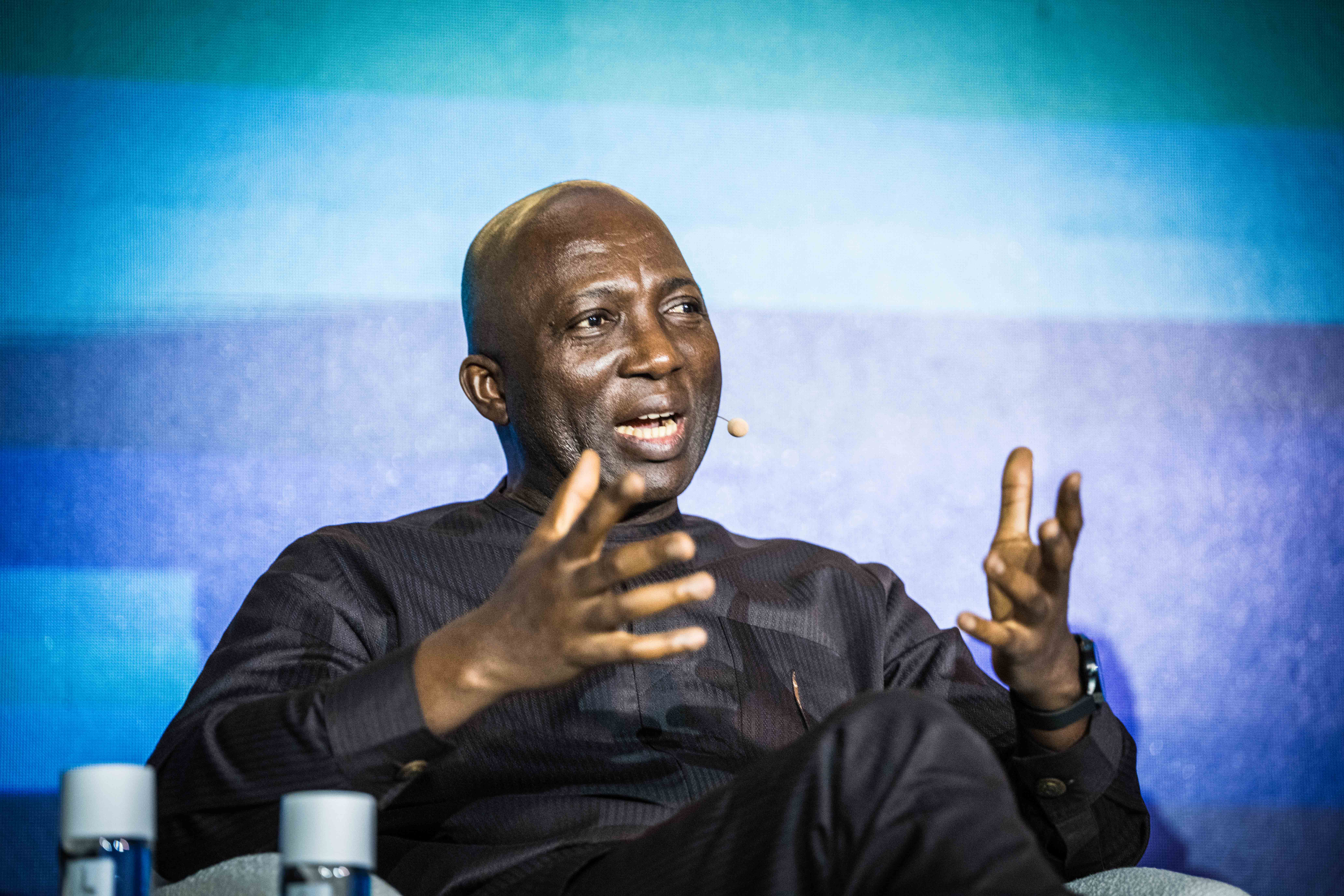
"I get very uncomfortable when you describe Ghana as a matured market," Haruna said. "Today, we process in excess of 26 million transactions every single day, so that looks good when you look at the statistics. But on a 30-day basis, very small numbers are actively saving, while less than 0.3% of the base are actively investing."
For Haruna, the next opportunity is in helping customers do more with the financial tools already available to them, while expanding access to products that support longer-term financial wellbeing.
In other markets, the challenge is more practical. In Zambia, where communities are spread across a large geographic area, Komba Malukutila, CEO of Mobile Money Zambia, said success is not simply about increasing the number of mobile money agents.
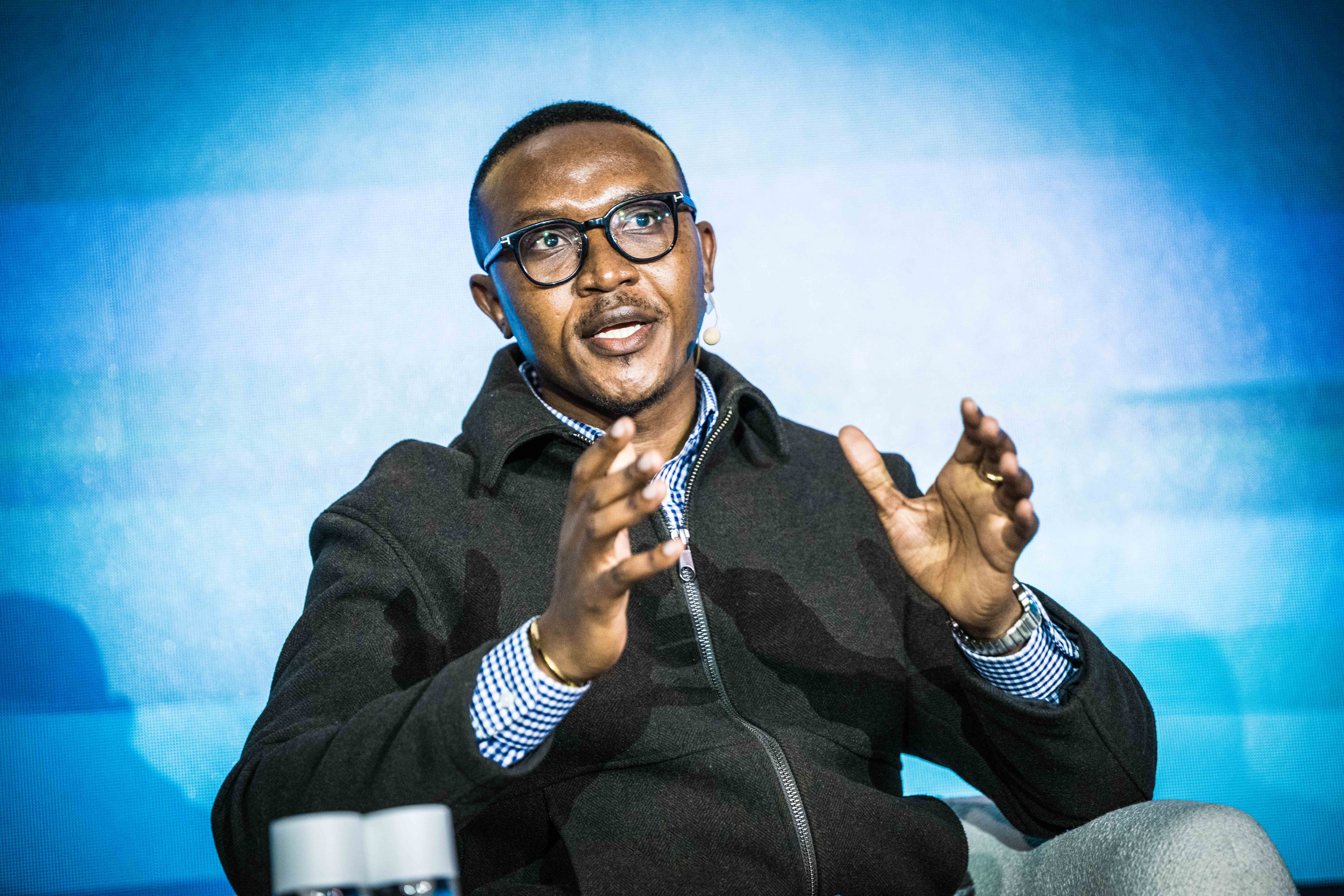
"The customer doesn't care how many agents you have," he said. "They care about whether the service is accessible, and whether they're able to access that liquidity."
To address this, MoMo Zambia is using AI-enabled tools to monitor agent activity and liquidity levels across its network, helping identify where customers may be experiencing difficulties accessing services.
Technology featured prominently throughout the discussions. AI, interoperable payment infrastructure, QR payments, open finance and cloud-based services were all highlighted as developments that could help make digital financial services simpler, more accessible and more affordable.
At the same time, delegates noted that technology on its own will not drive the industry's next chapter. Building more inclusive financial ecosystems will require collaboration across the wider financial services landscape, including banks, regulators, fintechs, payment providers and technology partners.
"No single financial institution or fintech or one company can build the financial service ecosystem for our people in Africa," MTN Group Fintech CEO Serigne Dioum told delegates.
Ultimately, the ambition is to help more Africans do more than simply transact digitally. The opportunity lies in enabling people to save consistently, access credit when they need it and build greater financial resilience over time.
For Africa's fintech industry, that may prove to be the next real measure of progress: not just how many people have access to financial services, but how effectively those services support their financial lives.