
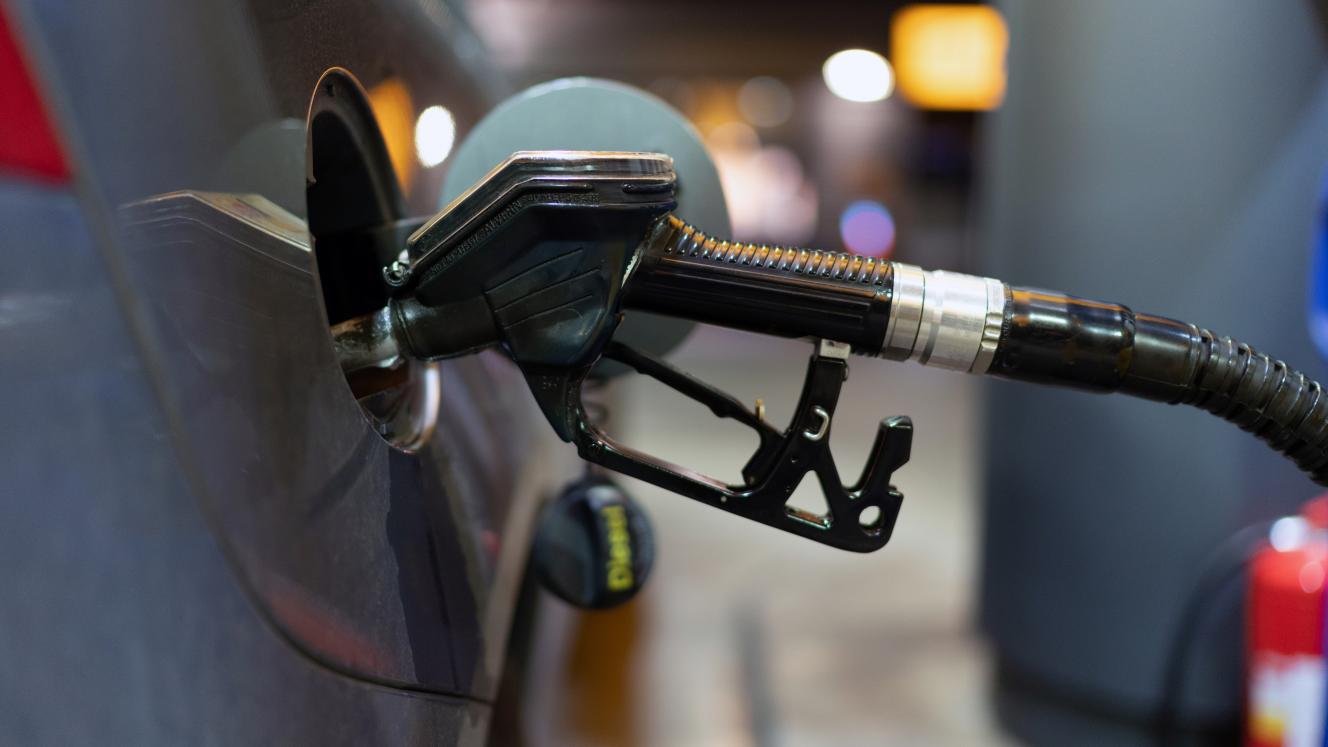
South African merchants saw transport costs jump in September, when diesel rose by around R3 a litre from 2 September. Another R3/litre increase is expected on 7 October. For businesses sending large numbers of orders, an increase like this can quickly eat into margins.
Once fuel surcharges, oversized packaging, failed delivery attempts, returns and customer-service time are added, the real cost of fulfilling an order can be considerably higher than the courier rate initially quoted. For merchants, this pressure comes at a difficult point in the market’s development. South Africans are expected to spend R159 billion in 2026, up 22.5% from R130 billion last year. More online orders create growth, but they also multiply small fulfilment losses that are easy to overlook at order level.
“Fuel is the visible increase, but it is often not the biggest leak in the delivery process,” says Sahil Affriya, founder and CEO of a multi-courier logistics platform Shiprazor. “A merchant may focus on saving a few rand on the courier quote while losing far more through a second delivery attempt, a return, the wrong service level or packaging that pushes the parcel into a higher charge band.”

For merchants trying to protect their margins, Affriya says the number that matters is not always the advertised courier rate, but the cost of a successful delivery; the total logistics spend divided by the orders that actually reach the customer and stay delivered.
Merchants should bring fuel adjustments, surcharges, reattempts, returns and support costs into one view. A cheap first booking can become an expensive order when the address is wrong, the customer is unavailable or the parcel has to travel twice. Reviewing this by route, parcel type and courier shows where margin is really being lost.
Higher shipping fees may protect margin, but customers will walk away when delivery gets too expensive. The ‘2026 Online Retail in South Africa’ report found that 51.7% of retailers cited shipping fees as a key reason for cart abandonment.
Merchants need to decide how much of the increase they can absorb before passing costs on. One option is to revisit free-shipping thresholds or offer a cheaper service for less urgent orders.
One courier may perform well on a major-city route and poorly in an outlying area. Another may be more cost-effective for lockers, heavier parcels or regional deliveries.
Says Affriya, “Merchants need to compare their options and choose the service that works best for each delivery. Price is important, but a cheaper service can end up costing more if the parcel arrives late or has to be sent again.”
A courier’s headline rate won’t always be the final price. Fuel adjustments and booking details can push the cost up, so merchants need to know what they’ll actually pay before they book. If one option costs too much, look at another courier or service before sending the parcel.
Passing every increase directly to the customer can protect one order’s margin while costing the merchant the sale. Shipping fees remain a major reason shoppers abandon online purchases. Says Affriya, “Merchants should test targeted changes instead: adjust free-delivery thresholds, offer a slower lower-cost option, or vary the delivery contribution by basket value rather than applying a blanket increase.”
He concludes, “The answer is not always to charge the customer more; it is to make a better decision on each order. Merchants need to model the effect of a further R5 or R10 increase in the cost per order before the next fuel adjustment.
"Fuel prices are outside a merchant’s control; the cost of poor delivery decisions is not."