

Through language, we think, learn, collaborate, and participate in society. It shapes how we function, individually and collectively. While language carries deep cultural and personal value, its continued relevance increasingly depends on how well it is supported in digital spaces.
For many indigenous and mother-tongue languages, that relevance cannot be assumed. Clara de Wet, CEO of Uppe Marketing, explains.
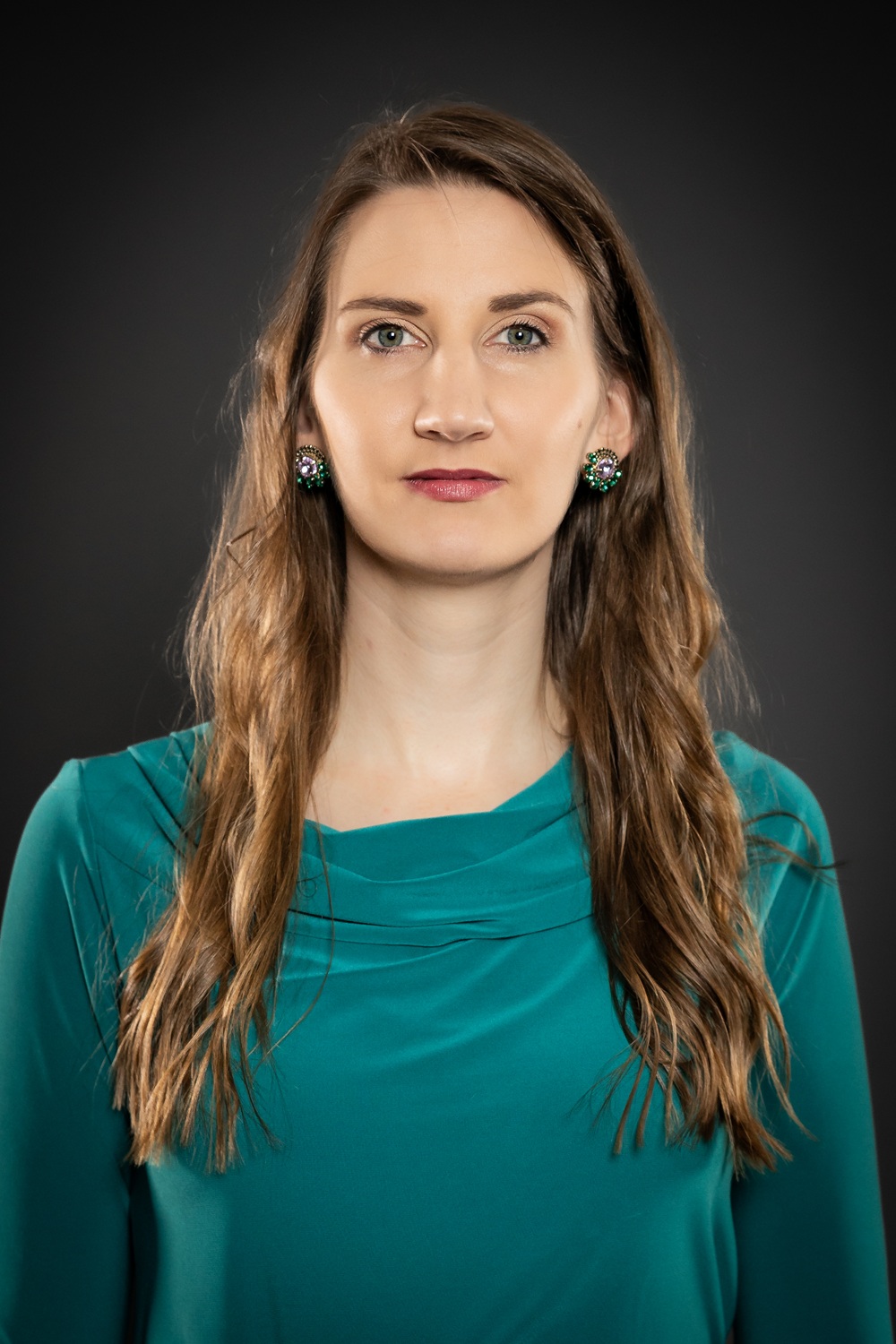
A person’s mother tongue is closely tied to identity and self-expression. But there is often an assumption that success, particularly in education, business, and technology, is only possible in English. This belief tends to fall away when one looks beyond South Africa’s borders. Across Europe, countries like Germany, Greece, and Italy continue to thrive academically, economically, and technologically while operating primarily in their first languages.
The importance of mother-tongue education is also well established in research. According to UNESCO findings, children educated in their first language demonstrate stronger reading comprehension by the end of primary school than those educated in a second language. In high-LSM countries, studies show that learners taught in their home language are more likely to achieve better literacy outcomes than those educated exclusively in a second language (UNESCO, 2024).
This raises an important question: how do we preserve and develop Afrikaans as an indigenous language in a country with 11 official languages, particularly within modern technology-driven environments? What can realistically be achieved at a community and platform level?
Afrikaans.com was established a decade ago as a digital hub for Afrikaans-speaking individuals to celebrate and explore the language’s diversity, vitality, and value. As the platform approaches its tenth anniversary, alongside the centenary of Afrikaans being recognised as an official language, the timing is right to extend this mission into deeper digital functionality that reflects both the future and ongoing relevance of Afrikaans.
Afrikaans speakers are not a niche audience. They are digitally connected consumers, exposed to global brands, platforms, and user experiences. They span generations, interests, and professions. They engage with advanced devices and technologies and have unprecedented access to information. Their expectations of digital services are shaped by the same global standards as any other user group.
At the same time, the way people search for and interact with information is changing. Traditional reference tools and search engines are increasingly supplemented, and sometimes replaced, by artificial intelligence platforms that assist with discovery, synthesis, and decision-making.
This is a complex and competitive environment. Global technology companies like Google, Apple, and ChatGPT operate at enormous scale, with access to world-class technical expertise and resources. Their platforms are continually refined to deliver seamless user experiences. Alongside this, ethical considerations around data protection, privacy, and the restriction of malicious use continue to grow.
Rgerdless of these realities, we developed Afrikaans.ai, a platform designed to strengthen Afrikaans as a mother tongue within the technology domain and make advanced digital functionality accessible to its speakers.
Afrikaans.ai enables deeper insight into user needs and, through collaboration with partners across the Afrikaans landscape, supports the creation of content that is relevant, discoverable, and easy to use. The name Afrikaans.ai complements the inclusive, global orientation of Afrikaans.com. In this context, “.ai” also represents Afrikaanse Intelligensie, or Afrikaans Intelligence, reflecting the platform’s purpose.
What distinguishes Afrikaans.ai from other AI platforms is its language-first approach. The platform is developed in Afrikaans, offers free, unlimited search functionality, and allows users to switch between two modes: one focused on broader web searches and another driven by advanced AI-powered queries.
The emergence of AI mirrors earlier technological shifts, such as the rise of social media. Initially unfamiliar, these platforms are now embedded in everyday life, particularly for generations who have grown up with them. Just as social media consists of multiple platforms serving different needs, AI ecosystems are similarly diverse, with each platform offering distinct functionality.
There is no single solution or universal tool. AI belongs to no one organisation or sector. Its value lies in how responsibly it is integrated into existing systems, strategies, and workflows.
If an indigenous language is to survive and grow, responsibility rests with those who steward it to continue building, creating, and innovating in that language, across education, technology, the arts, and beyond. When speakers can access advanced digital tools in their mother tongue, reliance on a second language as a substitute diminishes.
Creating in Afrikaans, particularly within digital and technological spaces, is a practical investment in relevance, accessibility, and long-term sustainability.