Four astronauts aboard NASA’s Artemis II test flight around the Moon made history at 19:56 SAST on Monday, 6 April 2026, travelling 248,655 miles from Earth, surpassing the record for the farthest distance in human spaceflight previously set by the Apollo 13 mission in 1970. At its farthest point, the crew inside the Orion spacecraft travelled about 252,756 miles before looping back towards Earth, setting a new record for human spaceflight.
Six days into the first crewed mission of NASA’s Artemis programme, NASA astronauts Reid Wiseman, Victor Glover and Christina Koch, along with CSA (Canadian Space Agency) astronaut Jeremy Hansen, continued collecting images of the Moon on their voyage away from Earth.
“At NASA, we dare to reach higher, explore farther, and achieve the impossible. That’s embodied perfectly by our Artemis II astronauts – Reid, Victor, Christina and Jeremy. They are charting new frontiers for all humanity,” said Dr Lori Glaze, Acting Associate Administrator for the Exploration Systems Development Mission Directorate at NASA Headquarters in Washington. “Their dedication is about more than breaking records – it’s fuelling our hope for a bold future. Their mission is carrying our promise to return to the Moon’s surface, this time to stay as we establish a Moon base.”
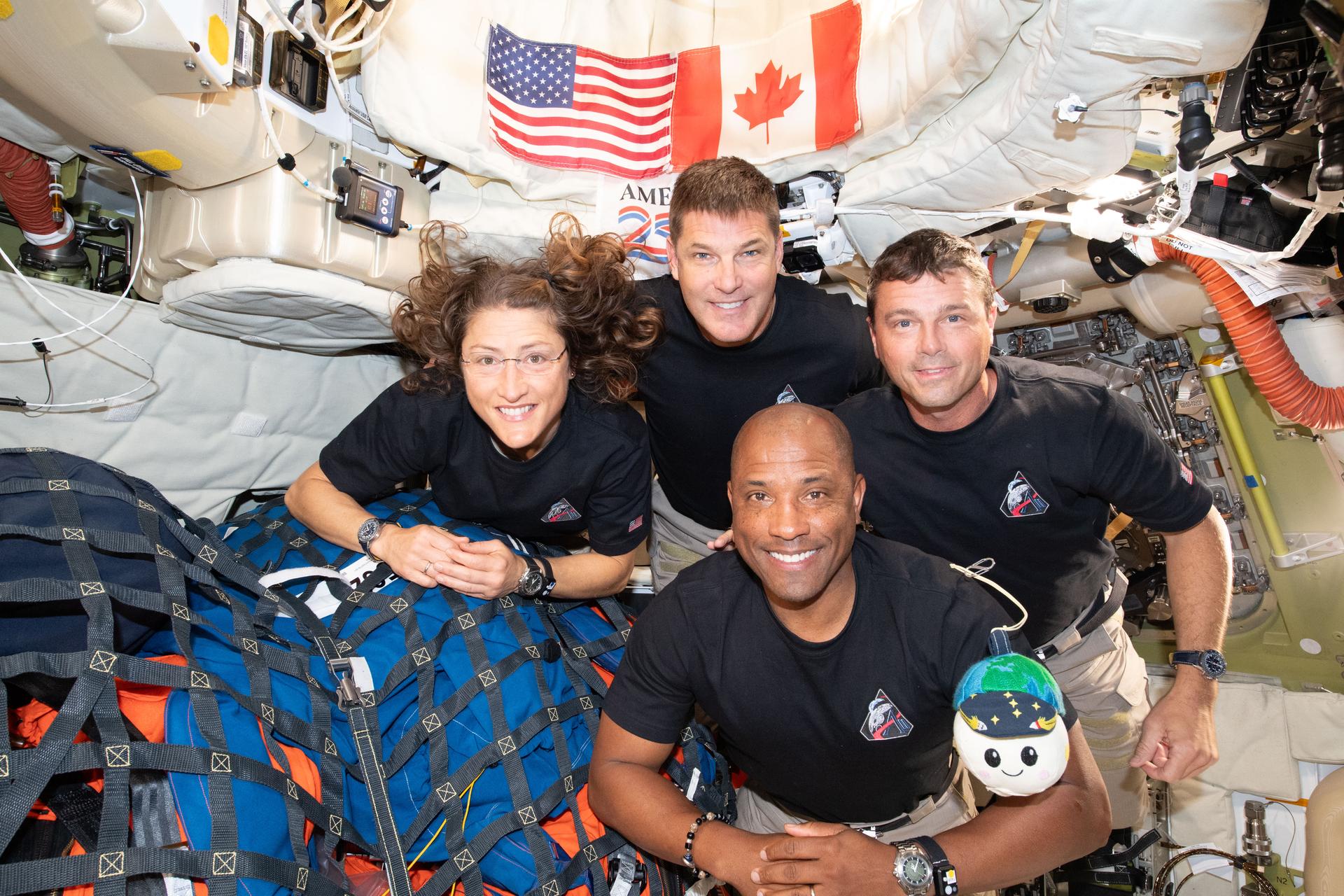
NASA’s Orion spacecraft began its journey to the Moon following a successful 1 April launch on an SLS (Space Launch System) rocket from the agency’s Kennedy Space Centre in Florida. After conducting a series of burns to break free of Earth orbit the following day, the spacecraft set its path towards the Moon. Following their record achievement, the crew provided brief, emotional remarks. The world heard from CSA astronaut Jeremy Hansen aboard Orion:
“From the cabin of Integrity here, as we surpass the furthest distance humans have ever travelled from planet Earth, we do so in honour of the extraordinary efforts and feats of our predecessors in human space exploration. We will continue our journey even further into space before Mother Earth succeeds in pulling us back to everything that we hold dear. Most importantly, we choose this moment to challenge this generation and the next to ensure this record is not long-lived.”
In addition to their spaceflight record, the crew suggested naming two craters on the Moon during their flight. The first is named in honour of their spacecraft, Integrity. The second honours Wiseman’s late wife, Carroll. After the mission is complete, the crater name proposals will be formally submitted to the International Astronomical Union, the organisation that governs the naming of celestial bodies and their surface features.
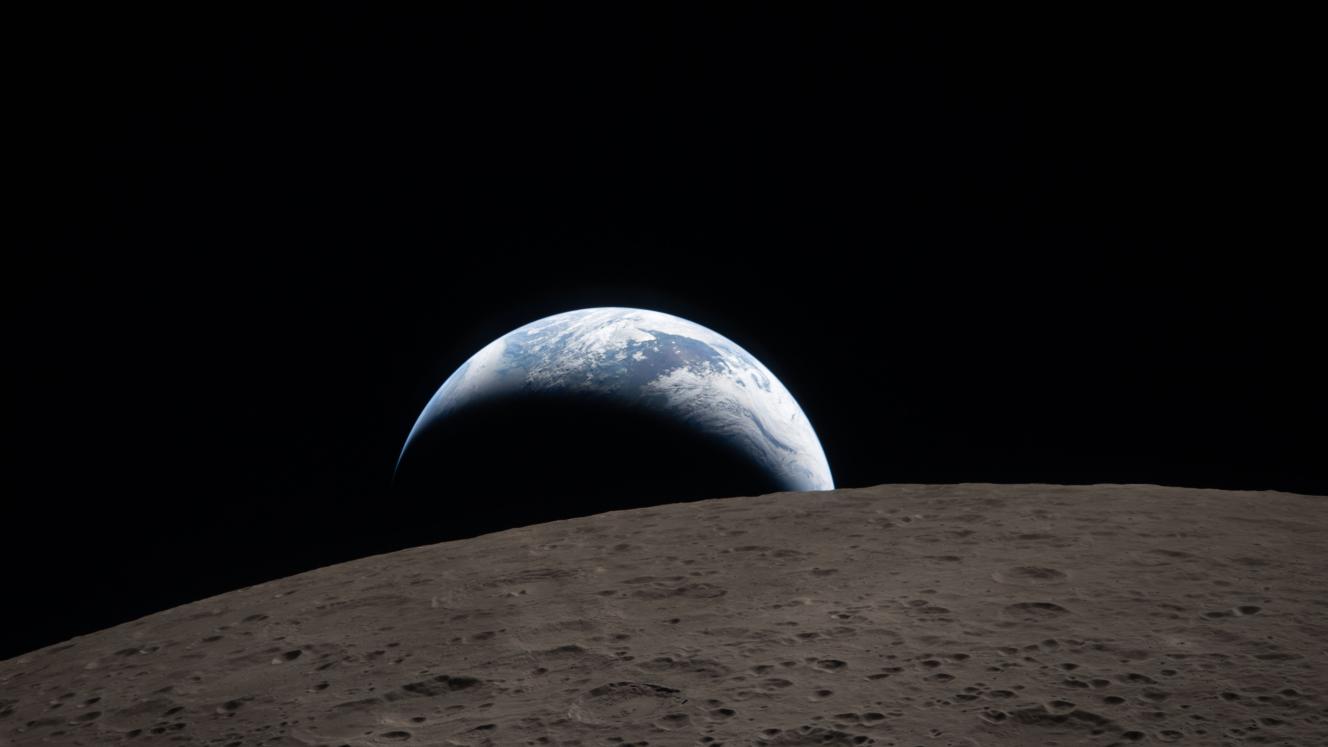
When they flew past the Moon, the crew came within about 4,067 miles of its surface at the closest approach. The astronauts were the first to see some parts of the far side of the Moon with human eyes. They also witnessed a solar eclipse as the Moon passed in front of the Sun.
NASA lost communication with the astronauts for about 40 minutes during a planned blackout period. The break occurred as the Moon blocked signals between the spacecraft and Earth through the Deep Space Network.
During their lunar flyby, a fleet of cameras captured imagery of the Moon, including features humans have never directly seen. The astronauts are using a variety of digital handheld cameras to conduct high-resolution photography of the lunar surface. Artemis II is providing astronauts with an opportunity to gather data, as one of the most powerful scientific tools for observation remains the four pairs of eyes observing lunar features under varying illumination and texture.
While flying behind the Moon, the crew watched six meteoroids slam into the lunar surface and explode, an unexpected display that surprised the astronauts and delighted scientists on Earth. NASA is now checking whether the Lunar Reconnaissance Orbiter (LRO) detected any of the impacts. Even if it missed the explosions, LRO may be able to photograph the craters.
They are now on their return journey.