A surgeon needs to know whether a patient can proceed to theatre. A doctor treating unexpected bleeding has to know how quickly the blood is clotting. A patient on anticoagulant therapy needs a result before adjusting treatment. In each case, that decision can depend on coagulation testing, which measures how well the blood clots.
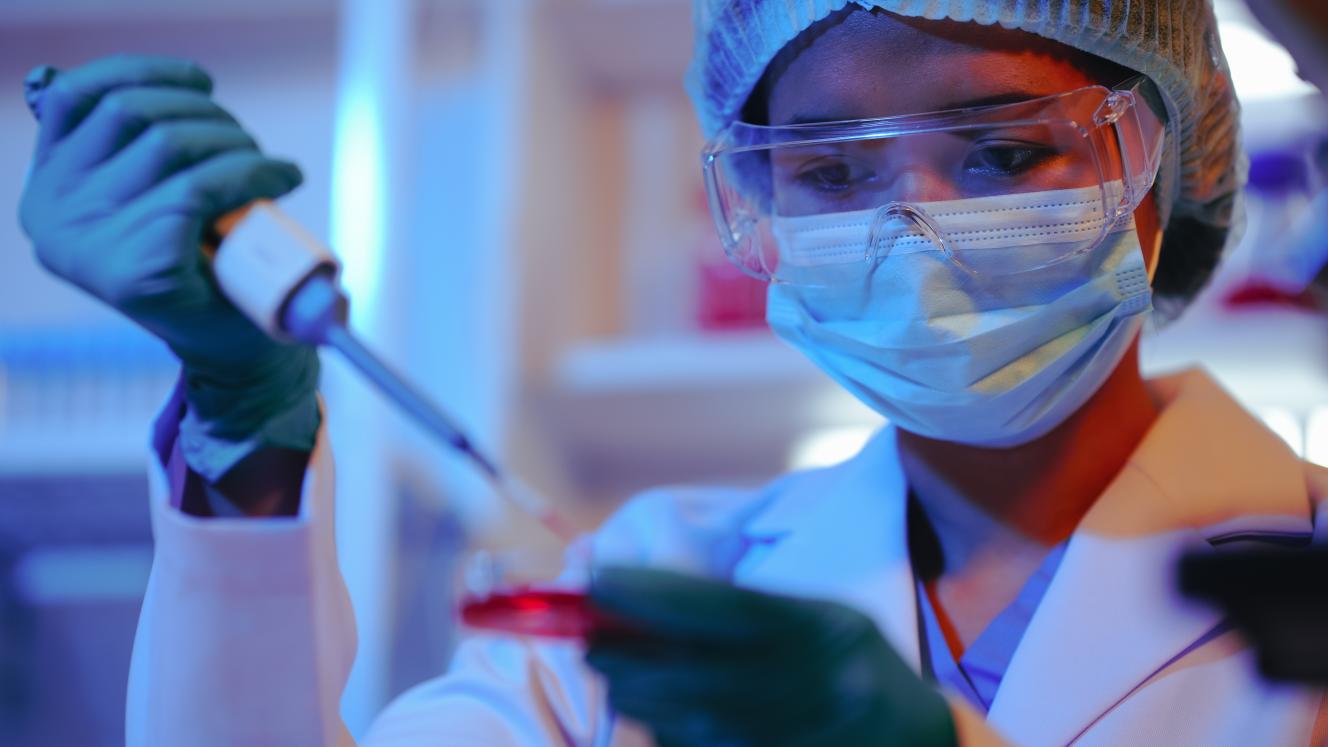
Most of us don't see beyond the needle in the nurses' station or doctor's room. But before that all-important result is speedily delivered, an intricate process most patients never see goes on in the laboratory. Samples are rapidly checked, prepared, processed and linked to the right data before a clinician can act on the answer. And as testing volumes grow, that puts pressure on laboratories already relying on highly specialised staff.
Roche Diagnostics has developed technology that may take the pressure off. Automated systems can take over more of the repetitive work around testing, including reagent preparation, sample checks, quality control and routine instrument checks. By reducing manual touchpoints and handling more of these processes while testing continues, they can improve consistency and free laboratory professionals to focus on difficult cases, unusual results and the work that needs human judgement.
“As testing demands increase, laboratories need workflows that are standardised, efficient and able to connect smoothly with the wider laboratory environment,” says Mamello Moahloli, Product Manager at Roche Diagnostics South Africa.
“Automated and standardised processes can reduce repetitive manual steps and help laboratory professionals focus their expertise where it adds the most value.”
Connecting the laboratory
Automation becomes more useful when instruments, samples, and data can move through the laboratory as part of one connected workflow.
Integrated laboratory systems support simultaneous testing across different diagnostic areas, smoother sample movement, and more consistent data transfer between instruments and laboratory information systems.
In busy laboratories, delays may happen after the initial testing stage. Samples can wait between processes, or information might be entered more than once, slowing results as they move between systems before reaching the clinician who needs them.
Reducing those hand-offs can help laboratories work more consistently and make better use of both equipment and specialist staff.
Roche Diagnostics instruments are part of a broader laboratory environment in which testing, sample movement, data and quality processes can be connected rather than managed as isolated steps.
For the patient, the technology itself may never be visible. But the right result reaches the right clinician with as little avoidable delay as possible. That can influence whether surgery goes ahead, treatment is adjusted or whether a clinician has enough information to investigate a bleeding or clotting disorder further.
Ultimately, that means less friction inside the lab and a clearer path from sample to clinical decision. So, perhaps next time you have a sample taken at a clinic or lab, you might visualise the journey that's about to begin, one that's becoming more efficient as new innovations emerge. You may never see the hardworking laboratory technicians behind the scenes, but automation is helping them work faster and smarter in more connected laboratories.